The Continuity Blueprint
High-Stakes Social Innovation: Bridging Design Thinking and Institutional Reality
SERVICES: ServiceDesign, InstitutionalStrategy, Social Innovation
The Mission:
Engineering a Sustainable Bridge from Incarceration to Industry
Timeline: 2016 – 2018
Stakeholders & Collaborators
- Gaia Armellin: Service Design Facilitation, Curriculum Co-creation, and International Business Development.
- Design Against Crime Research Lab (CSM): Led by Prof. Lorraine Gamman (Principal Investigator) and Prof. Adam Thorpe (Co-Investigator). Architects of the Makeright methodology and award-winning curriculum.
- HMP Thameside: Institutional facility and operational support, led by Enterprise Manager Keith Jarvis.
- The Makeright Team: Core facilitation and research support by Prasanna Gunasekera and Erika Renedo Illarregi.
- SociallyMadeInItaly: Strategic partner for luxury-grade manufacturing and Italian prison-system integration.
- Stretch Charity: Multimedia storytelling and inmate narratives, led by Carlotta Allum.
My objective was to evolve the Makeright Academy -an award-winning design thinking program by Central Saint Martin’s Design Against Crime Research Lab – from a successful classroom intervention into a scalable, international social enterprise.
The goal was to move beyond “vocational training” and toward a self-sustaining production model that provided inmates with real-world economic agency and a viable professional future.
The Challenges:
Navigating Institutional Friction and the “Release Cliff”
While the project was academically celebrated (winner of the 2016 Best Design Award), the boots-on-the-ground reality revealed three systemic bottlenecks:
- The Pedagogy Gap: Academic theory was often too abstract for a non-scholar audience, leading to “shutdowns” and disruption during workshops.
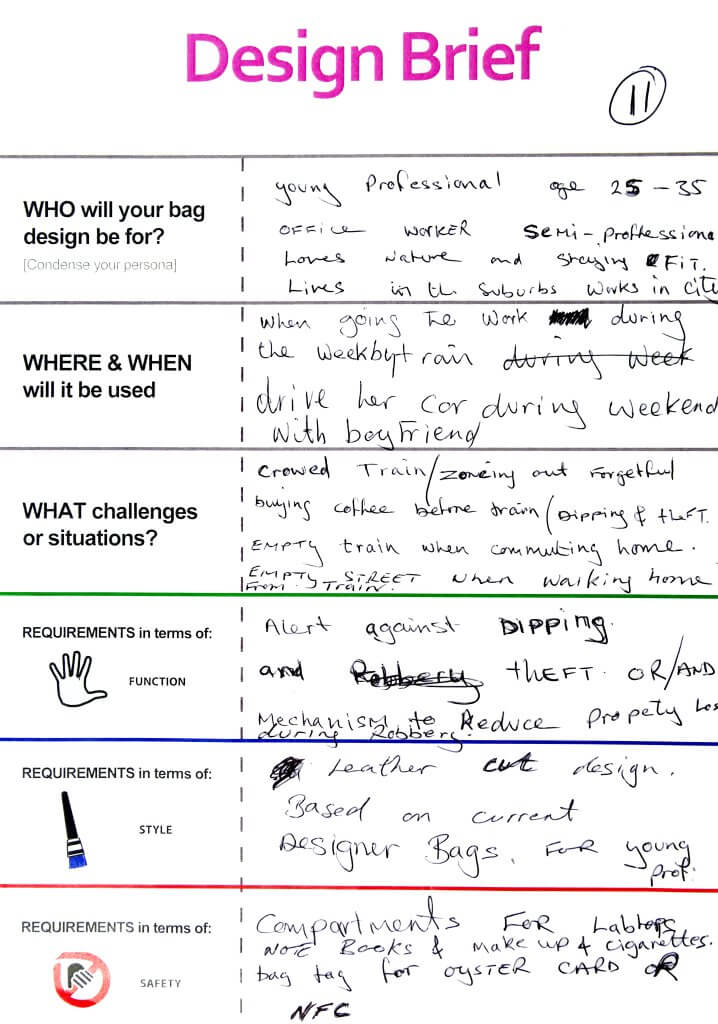
- The Ethical Disconnect: The existing product focus (anti-theft bags) felt preachy to the learners, creating a barrier to authentic engagement.
- The Continuity Crisis: The most harrowing “design flaw” was the transition. Learners were released with only £30 and no structural bridge to the industry, often leading to immediate systemic collapse and recidivism risk.
Our Strategy:
From Classroom Intervention to International Production Engine
Our approach was to move beyond “teaching” and into Strategic Service Design. I focused on three levels of intervention:
1. Embodied Facilitation (The Somatic Layer)
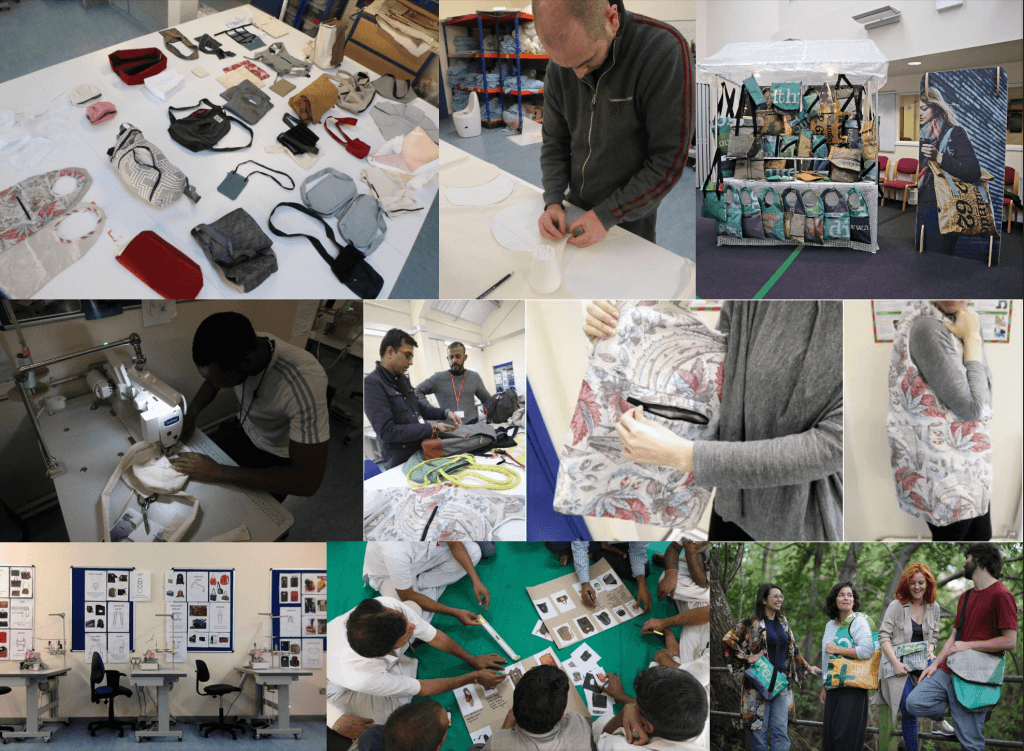
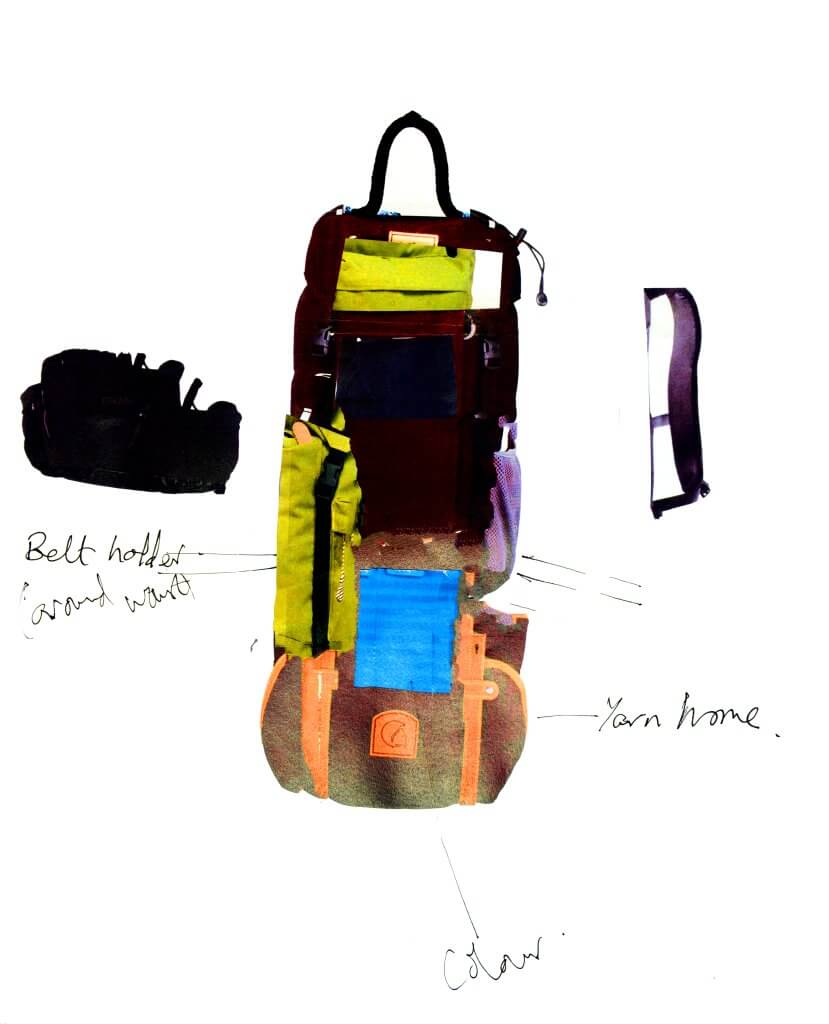
I facilitated the delivery to be practice-led. We “hid” the theory inside the craft, using textile origami and prototyping to keep learners engaged. I loosened the “expert mask” to hold a space of radical vulnerability, allowing the learners to move from “inmate” to “collaborator.”
2. Institutional Diplomacy & Scalability
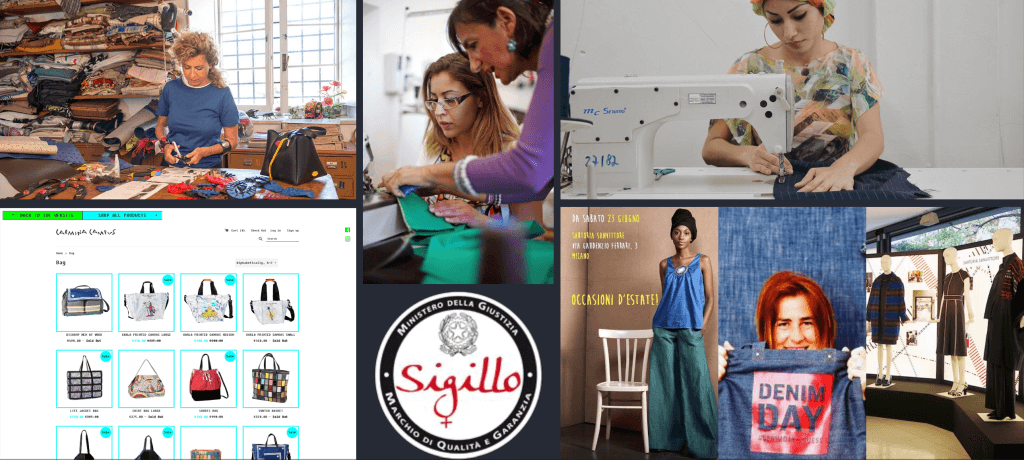
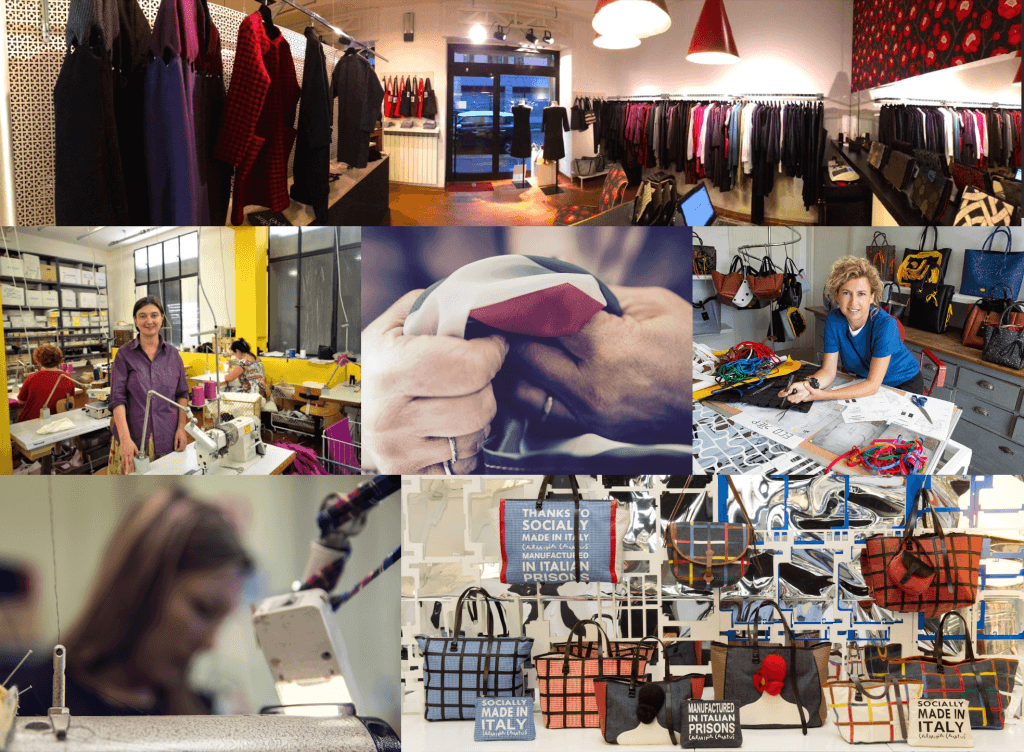
Recognizing that the UK system had reached a scaling limit, I brokered a strategic international partnership with SociallyMadeInItaly. They were already embedded in the Italian prison system, producing high-end goods for luxury houses like Fendi.
3. The UK-Italy Production Bridge
I architected a blueprint for a cross-border social enterprise:
- UK as the Design Lab: Intellectual Property and design blueprints created by learners in London.
- Italy as the Hub: High-end manufacturing and tailoring infrastructure in Italian facilities.
- The Goal: A self-sustaining revenue model to fund the “Post-Release Protocol.”
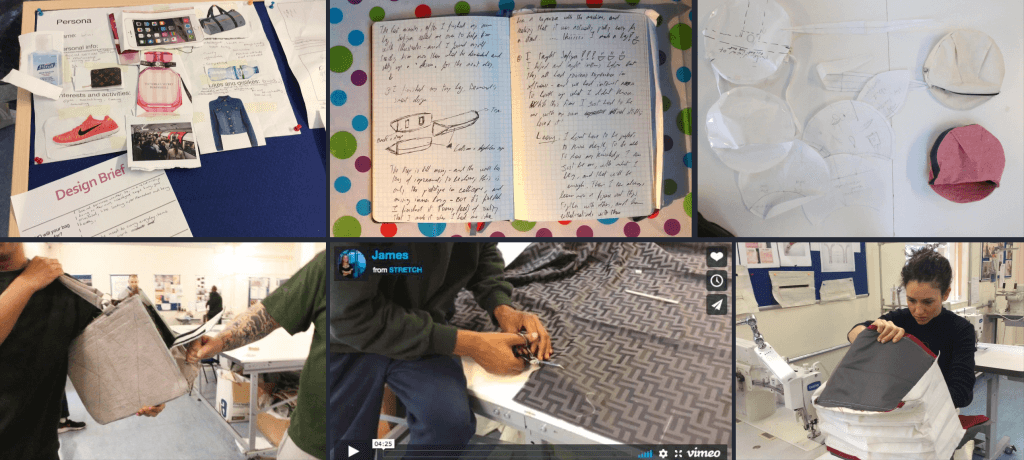
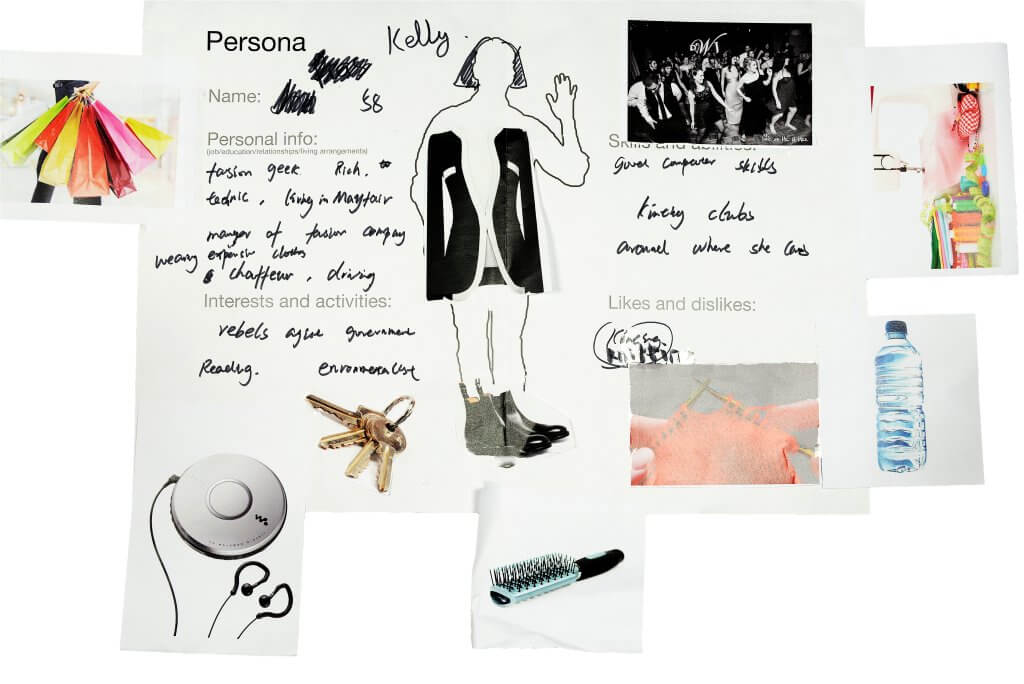
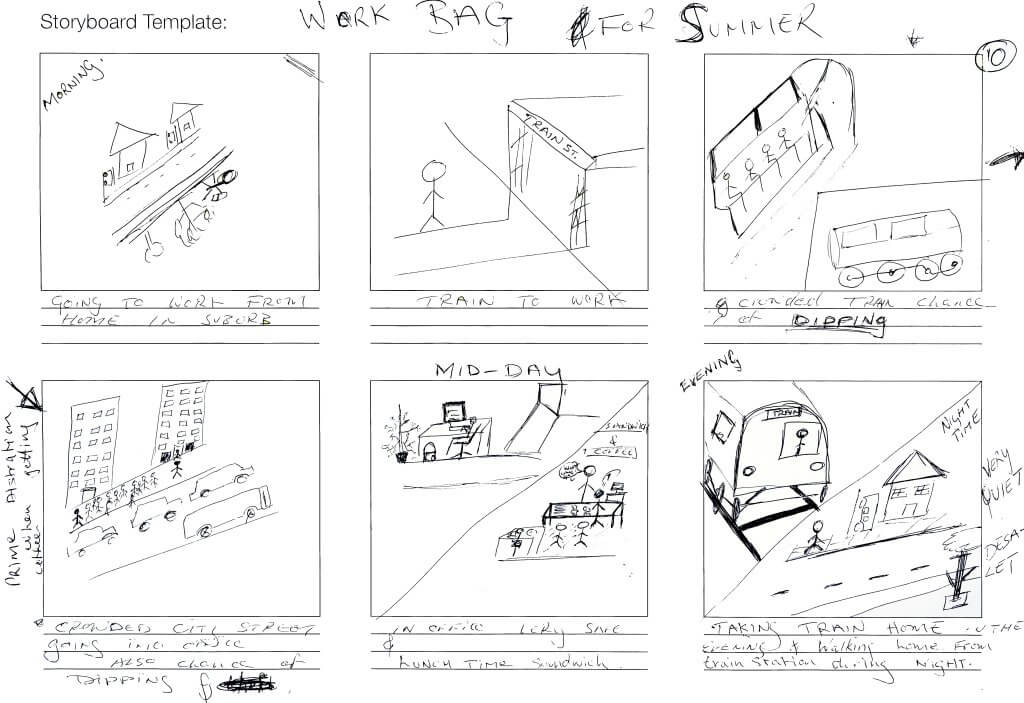
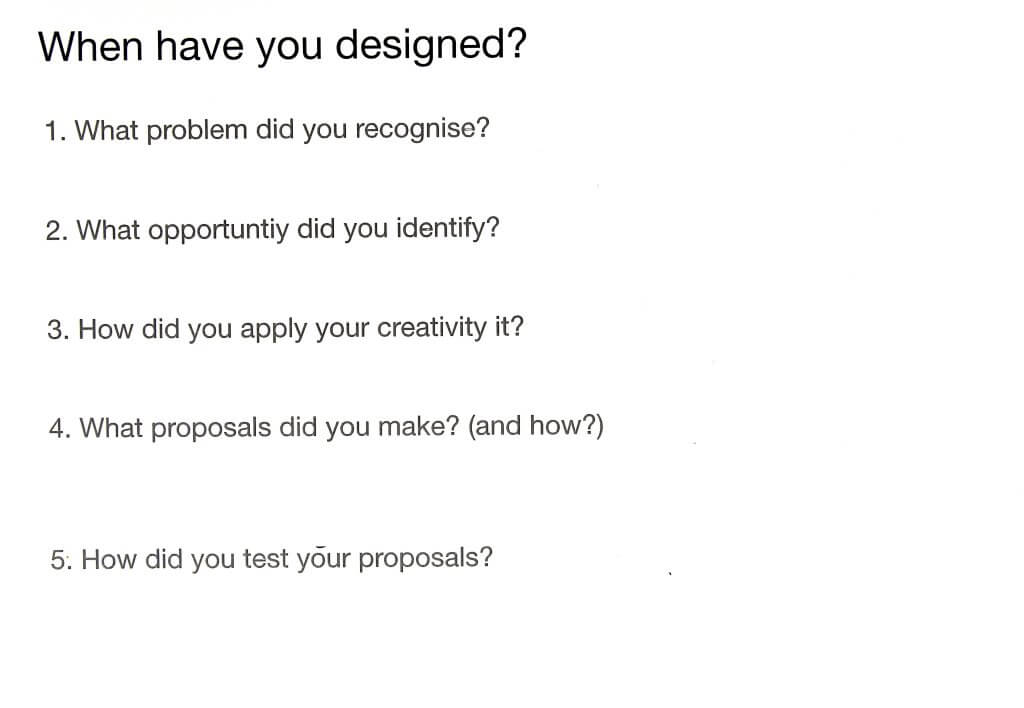
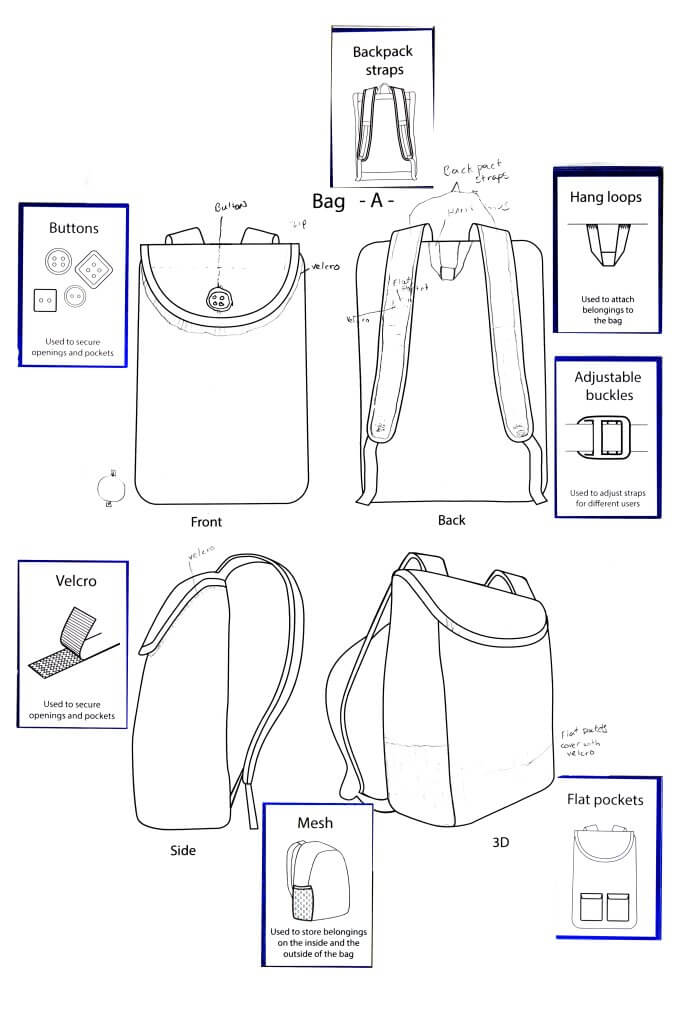
samples of workshop materials
The Results: A Definitive Blueprint for High-Stakes Service Design
The project reached a strategic “No-Go” decision in late 2017 due to institutional readiness for international scaling. However, the engagement provided a definitive framework for navigating complex, regulated systems:
- Systemic Insight: Proved that an intervention is only as strong as its weakest transition point. We identified that the “Product” isn’t the bag; it’s the Service Bridge that supports a human being during reintegration.
- Leadership Maturity: This experience served as a masterclass in Presence. I learned that true authority isn’t about following rules, but about holding the tension between security requirements and human growth.
- Model Scalability: Created a repeatable blueprint for how research labs can partner with international luxury manufacturing to solve social challenges.
The “Must-Haves” for the Future
The Design is the Transition.
- Vulnerability as Authority: I learned that true presence in a high-security environment requires the ego-maturity to be corrected by those you are mentoring. This built more trust than any “expert” mask ever could.
- The Power of “The Wait”: My time in the visitor center taught me that powerlessness is a design constraint. Systems that ignore the lived experience of the user will always face “unexplained” friction.
- Systemic Off-boarding: The most valuable “design” isn’t the object. It’s the service bridge. Whether in a prison or a corporate merger, a transformation is only as successful as its weakest transition point.
pictures from the field